October 14, 2026
The battle over the thermostat is a familiar struggle in many multi-story homes, often leading to frustration and discomfort for everyone involved. Heat naturally rises, meaning the upper levels of a house tend to trap warm air, while the lower levels remain noticeably cooler. When families attempt to correct this imbalance using a traditional central air system, they usually end up making a specific area completely unlivable just to achieve a moderate climate in another. This ongoing push and pull not only creates tension among household members but also forces the heating and cooling equipment to work continuously, wasting significant amounts of power. Homeowners desperate for relief frequently reach out to local HVAC companies for advice on how to establish a consistent, comfortable indoor environment. Fortunately, the advancement of modern climate control technology offers a highly effective remedy to this common household dilemma. By dividing a residence into distinct, independently controlled areas, a zoning system completely transforms the way multi-story properties manage indoor temperatures. This approach directly addresses the architectural challenges of larger homes, providing a harmonious living space where every individual can enjoy their preferred climate without constant thermostat adjustments.
The Mechanics Behind Zoning Systems
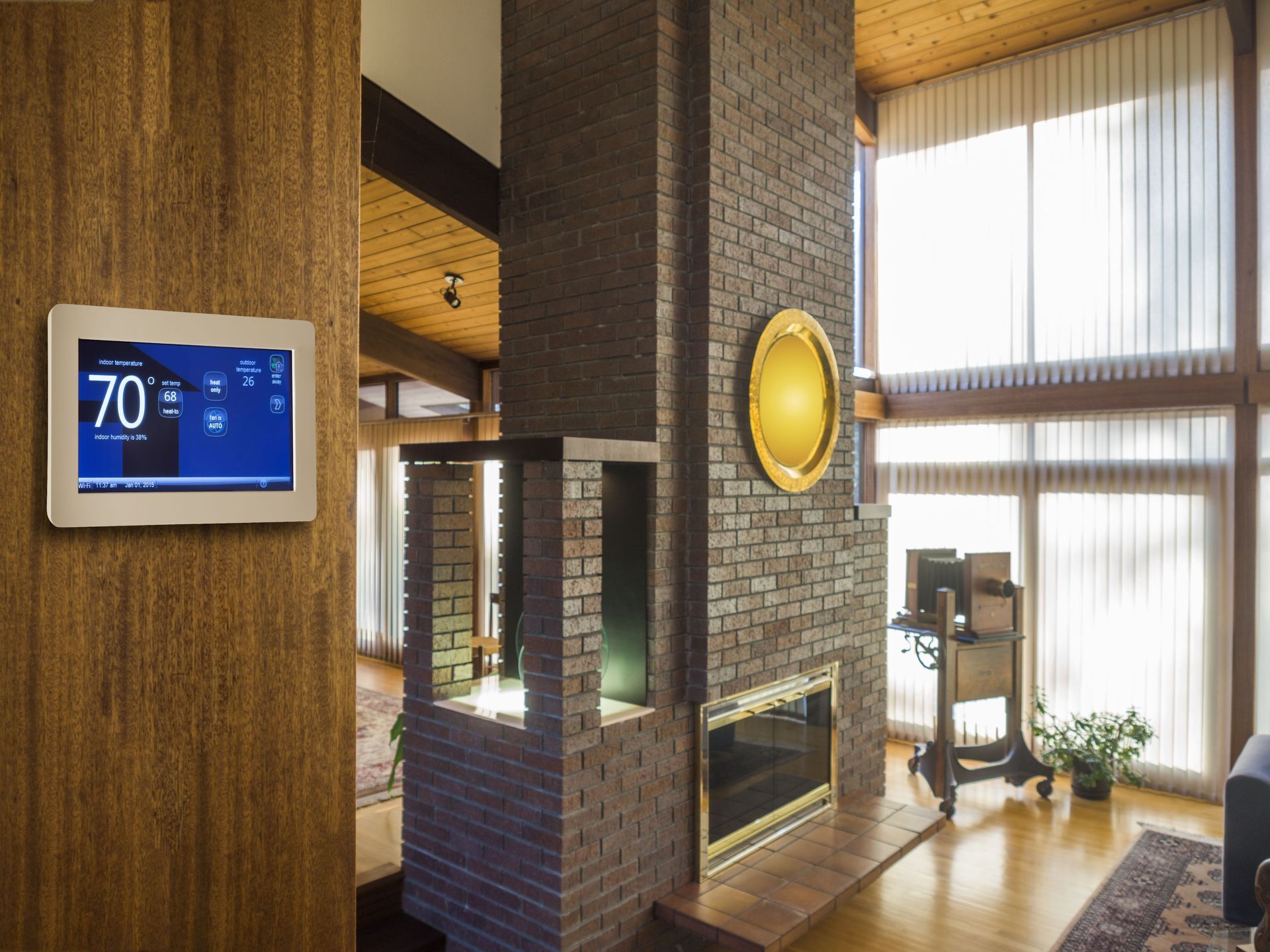
A zoning system operates by strategically dividing a multi-story home into distinct climate zones, each governed by its own dedicated thermostat. These individual thermostats communicate with a central control panel, which acts as the brain of the entire operation. When a specific zone requires a temperature adjustment, the central panel sends a signal to motorized dampers located within the ductwork. These specialized dampers automatically open or close to restrict or direct the flow of conditioned air exactly where it is needed, without affecting the rest of the house. Unlike conventional setups that blast air through every vent simultaneously, this targeted approach ensures that air is only delivered to the rooms actively calling for heating or cooling. Many reputable HVAC companies recommend this setup because it alleviates the immense strain placed on the central unit. By preventing the system from constantly trying to condition unoccupied or already comfortable spaces, the motorized dampers ensure smooth, quiet, and precise operation. The seamless communication between the thermostats, the central panel, and the dampers creates an incredibly responsive network that adapts to the unique climate demands of different floors and specific rooms throughout the day.
The Solution for Multi-Story Homes
Multi-story homes present unique architectural challenges that make standard climate control methods highly inefficient. Large windows, vaulted ceilings, and sprawling floor plans can create dramatic temperature variations from room to room. The natural tendency of warm air to ascend means that upstairs bedrooms frequently become uncomfortably warm, while finished basements and ground-floor living areas remain chilly. Trying to balance these extreme differences with a standard thermostat usually results in a futile cycle of overcooling the main floor to make the upstairs bearable for sleeping. Implementing a zoning network resolves this structural challenge by treating each level, or even specific groups of rooms, as an independent environment. By collaborating with experienced HVAC companies, homeowners can map out the most logical zones based on their architectural layout and daily routines. For instance, the sleeping quarters can be grouped into a dedicated zone, while the main entertaining and dining areas form another distinct space. This tailored arrangement directly counteracts the physical laws of heat transfer that plague multi-story properties. Rather than fighting against the design of the home, the network works in tandem with the architecture to maintain absolute consistency and customized comfort across every square foot.
The Drive for Superior Energy Efficiency
Beyond resolving temperature disputes, dividing a home into independent climate areas drastically improves overall power consumption and resource management. Traditional centralized systems waste an enormous amount of power by constantly forcing conditioned air into vacant guest rooms, empty hallways, and unoccupied formal dining spaces. By directing conditioned air exclusively to occupied zones, homeowners can drastically reduce the workload on their equipment. This precise distribution prevents the primary unit from running in a continuous cycle, which in turn reduces the wear and tear on essential mechanical components. It is no surprise that property owners are increasingly prioritizing these solutions when upgrading their home infrastructure. In fact, according to ZoningSupply.com, the market for HVAC zoning system installations is expected to grow by 20% to 35% in 2026 as homeowners seek better energy management. This surge in popularity highlights a broader shift toward sustainable living practices and the desire to reduce household utility expenses. Forward-thinking HVAC companies frequently emphasize how this intelligent approach to climate control prevents the unnecessary loss of resources. By cooling or heating only the spaces in active use, families can enjoy an eco-friendly living environment that aligns with modern conservation goals without sacrificing personal comfort.
The Impact on Family Comfort
The most immediate and tangible benefit of upgrading to this advanced climate control method is the complete elimination of thermostat wars among family members. Everyone has a different physical tolerance for heat and cold; some prefer a brisk, deeply chilled bedroom for restful sleep, while others require a warm, cozy environment while relaxing in the living room. When a house is governed by a standard temperature setting, reaching a consensus is nearly impossible, often leaving some family members bundled in blankets while others rely on portable fans. A meticulously planned zoning network grants every individual the autonomy to dictate the climate of their current space without impacting the rest of the residence. When consulting with various HVAC companies, families often express that personalized comfort is their primary motivation for pursuing an upgrade. This level of customization fosters a much more peaceful and harmonious home environment, as no one is forced to compromise on their basic physical comfort. Furthermore, spaces that receive intense afternoon sunlight can be cooled aggressively, while shaded rooms on the opposite side of the house remain largely untouched. This dynamic adaptability guarantees that every occupant enjoys an idyllic atmosphere regardless of where they are located within the home.
The Value of Professional Installation
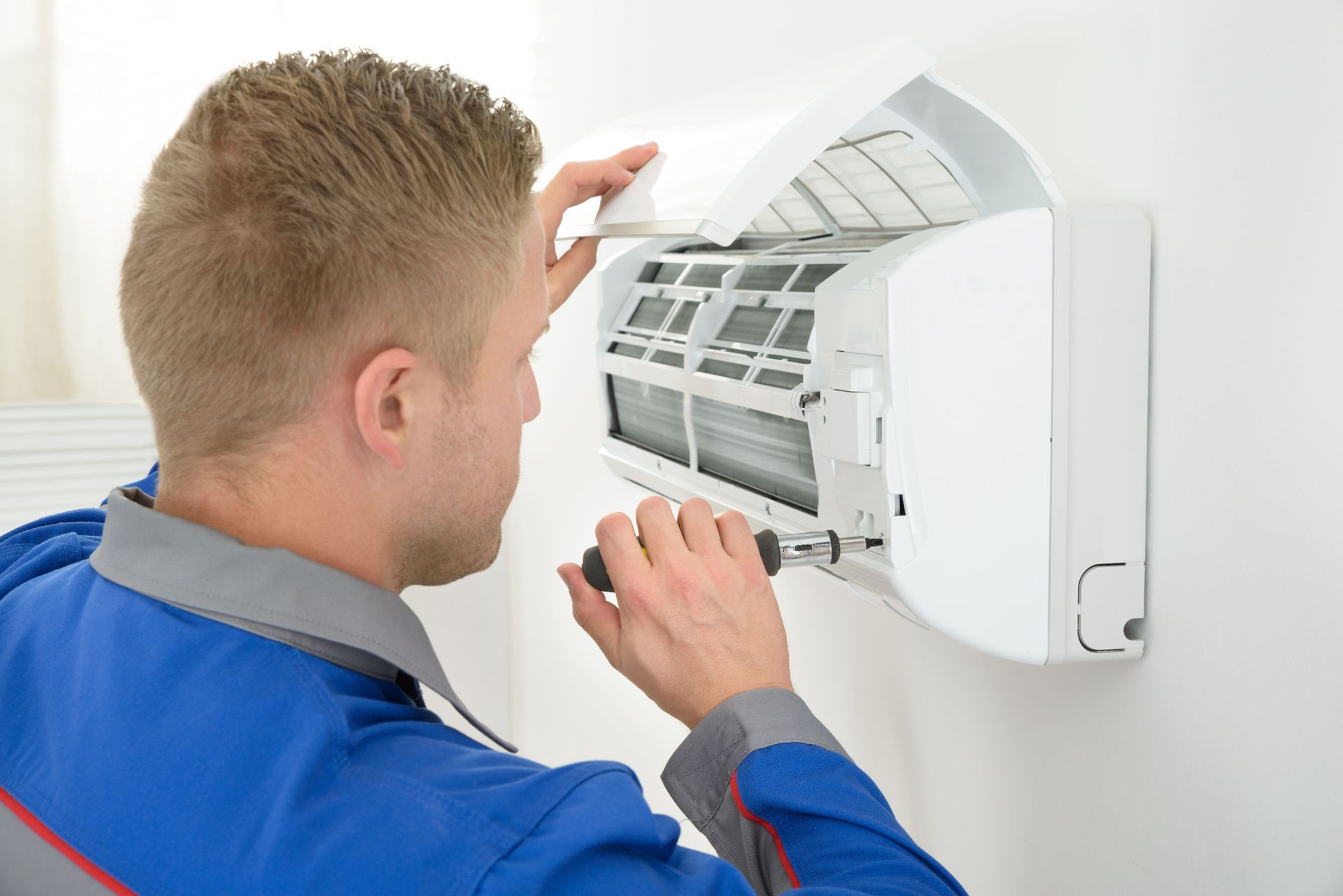
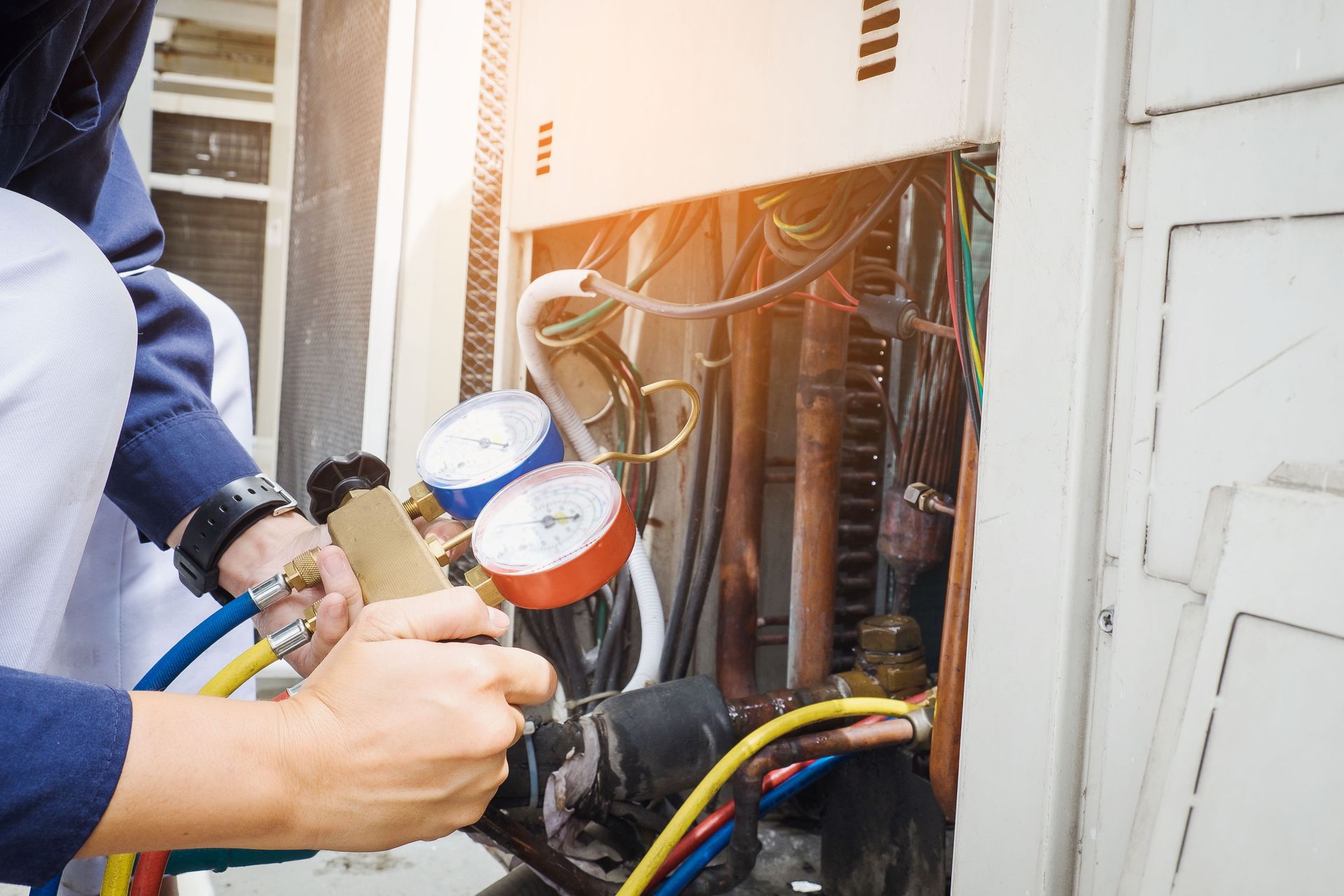
While the underlying concept of directing airflow might seem straightforward, the actual implementation of a fully functioning zoning network is highly complex and requires specialized knowledge. Attempting to retrofit existing ductwork with motorized dampers, rewiring thermostats, and calibrating a central control board is not a simple project for an amateur enthusiast. It demands a deep understanding of static pressure, airflow dynamics, and electrical integration to ensure the newly divided areas do not accidentally damage the primary heating and cooling unit. This is precisely why partnering with knowledgeable HVAC companies is absolutely crucial for a successful transition. Trained professionals possess the expertise to evaluate the existing infrastructure and determine whether the current unit can handle the shifting air pressure created by opening and closing dampers. Furthermore, expert technicians will meticulously plan the zone boundaries to maximize both comfort and efficiency, ensuring that the finished product operates flawlessly. Relying on seasoned experts guarantees that the complicated installation process adheres to all safety codes and manufacturer specifications. By trusting dedicated professionals, homeowners can rest assured that their investment will yield reliable, long-lasting performance and permanently banish the frustration of uneven indoor temperatures.
Putting an end to the endless battles over the household temperature setting is entirely possible with the right technological approach and expert guidance. By addressing the specific architectural challenges of multi-story residences, independent climate zones offer a perfectly balanced environment that caters to the unique preferences of every family member. This intelligent distribution of air not only fosters a peaceful living space but also contributes to significant reductions in unnecessary power usage and excessive equipment wear. If you are ready to transform your constantly fluctuating house into a haven of consistent, personalized comfort, reaching out to reputable HVAC companies is the essential initial step. Call Georgia Air Contractors today to learn more about how a customized zoning system can perfectly address your specific multi-story temperature challenges and restore harmony to your home environment.